April 23, 2026
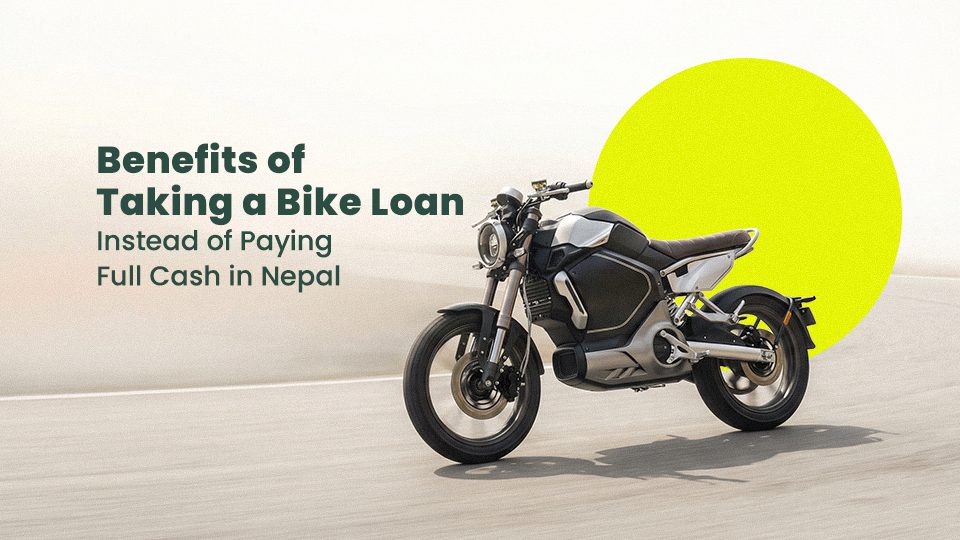
Buying a bike is one of the most practical decisions for mobility in Nepal. Whether it’s for daily commuting, business use, or convenience, the real question most buyers face is: bike loan vs full payment which is better?
While paying full cash may seem straightforward, more people today are choosing financing options. With trusted lenders like Hulas Finserv, a two wheeler loan offers flexibility, preserves savings, and allows you to manage your finances better.
Hulas Finserv also focuses on customer-friendly financing options, including promotional benefits like 0 sewa sulka, making bike ownership more affordable with reduced upfront financial pressure. In this guide, we’ll break down both sides clearly so you can make the right decision.
In recent years, there has been a noticeable shift in how people purchase bikes in Nepal. Instead of waiting years to save the full amount, buyers are opting for loans to access mobility immediately.
Here’s why:
For many buyers, especially young professionals and students, a two-wheeler loan is no longer a last resort; it’s a strategic financial choice.
Understanding the difference between financing and paying upfront helps you make a smarter decision. Here’s a practical comparison:
| Factor | Bike Loan | Full Payment |
| Upfront Cost | Low (only down payment) | High (100% payment required) |
| Cash Flow | Flexible with EMI | Immediate financial impact |
| Ownership | Immediate use, gradual payment | Full ownership instantly |
| Interest Cost | Includes interest | No interest |
| Savings Impact | Savings remain intact | Savings significantly reduced |
| Financial Flexibility | High | Low after purchase |
In the bike loan vs full payment debate, the key difference lies in cash flow management. A loan spreads your cost, while full payment reduces future obligations but limits liquidity.
Choosing a loan over full payment comes with several practical benefits. Here’s a breakdown:
Paying full cash for a bike can significantly reduce your savings and leave you financially exposed during emergencies.
With a two wheeler loan, you typically pay 50% as a down payment, while the remaining 50% of the bike cost is financed. This allows you to keep your money available for:
This financial cushion is one of the biggest advantages of choosing a loan, particularly when interest rates range between 9.99% – 12.99%, making borrowing relatively manageable.
A loan allows you to divide the total bike cost into manageable monthly installments over a fixed tenure.
In Nepal, loan tenures typically range from 18 to 36 months, giving you flexibility to plan your finances.
Benefits include:
Instead of paying a large amount upfront, you spread the cost over time. You can also use an EMI calculator to estimate your monthly payment based on loan amount, interest rate, and tenure helping you stay financially prepared.
Saving the full amount for a bike can take months or even years. During that time, you may face:
With a two wheeler loan, approval processes are now fast and efficient. In many cases, financing approval can allow same-day or even within-an-hour delivery, meaning you can start using your bike almost immediately while paying gradually.
Loan structures in Nepal are tailored based on brands and down payment levels.
For example:
These options are available across popular brands like Bajaj, KTM, Royal Enfield, Vespa, Aprilia, and Suzuki, giving you flexibility to choose a plan that fits your budget.
When you choose a loan, your savings remain available for other uses.
For example:
In the bike loan vs full payment comparison, this is a major advantage—your money continues to work for you instead of being locked into a depreciating asset.
Choosing the right lender plays a key role when deciding between a loan and full payment. Hulas Finserv Hire Purchase Ltd offers bike loan in nepal to the needs of customers in Nepal, making the process simple and accessible.
The company focuses on quick approvals with minimal documentation, allowing faster loan disbursement. It also provides flexible EMI plans so you can choose repayment terms that match your monthly income, along with competitive interest rates to keep the overall loan cost manageable.
Additionally, financing is available for both new and used bikes, including options for a second hand bike on loan. With transparent terms and customer-focused support, Hulas Finserv ensures a smooth and reliable borrowing experience.
The choice between bike loan vs full payment ultimately depends on your financial condition, priorities, and long-term goals. Each option has its own advantages, so the right decision comes down to what fits your situation best.
A two wheeler loan is a better option if you want to preserve your savings, prefer manageable monthly EMIs, and need a bike immediately for daily use. It allows you to balance ownership with financial flexibility.
On the other hand, full payment works well if you have extra funds, want to avoid paying interest, and prefer zero ongoing financial commitments. For most buyers in Nepal, however, financing offers a practical middle ground making bike ownership possible without putting pressure on overall financial stability.
A bike loan allows you to pay a portion of the bike cost upfront and the rest in monthly EMIs, while full payment requires paying the entire amount at once. Loans offer flexibility, whereas full payment gives immediate ownership without monthly obligations.
Yes, a bike loan is a good option for many buyers in Nepal because it helps preserve savings, offers easy monthly installments, and allows you to buy a bike immediately without waiting to save the full amount.
Typically, you need to pay around 40%–60% as a down payment, and the remaining amount is financed through EMIs depending on your chosen plan and eligibility.
4. What’s the document required to finance a 2nd hand bike?
Only Citizenship is required to finance 2nd hand bike.
It depends on your financial situation. A bike loan is better if you want to manage cash flow and keep savings intact, while full payment is better if you want to avoid interest and have sufficient funds available upfront.
Checking Eligibility